Surf forecasting sites present about thirty variables. For your first few years, four of them decide almost everything.
Swell height
The obvious one, and the one people over-weight. Two feet at Bolinas is a good learning day. Four feet is a different beach. Remember that reported height is the open-ocean swell, not the size of the wave you will actually see.
Swell period
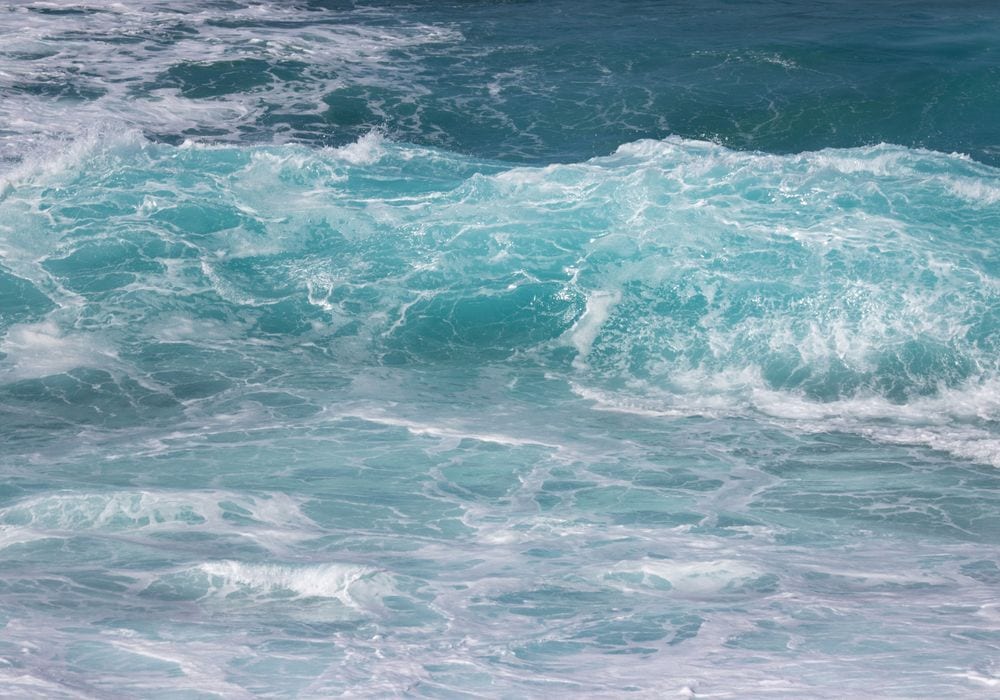
The gap in seconds between waves, and the number most beginners ignore. A two-foot swell at 8 seconds is a weak, mushy day. A two-foot swell at 16 seconds carries far more energy and will produce considerably bigger, faster waves.
If you learn one thing from this article: period matters more than height.
Wind
Offshore wind (blowing from land to sea) holds waves up and makes them clean. Onshore wind flattens and disorders them. In Bolinas the wind is usually offshore in the early morning and turns onshore by mid-morning, which is the entire reason our sessions start early.
Tide
Every break has tides that suit it. Bolinas generally works best on a mid tide, pushing in. At very low tide the inside gets shallow and closes out; at very high tide it can go soft and stop breaking at all.
- Small swell, long period, light offshore, mid tide — go.
- Big swell, short period, onshore — stay in bed, or go for a walk.
- When two of the four are good and two are bad, go and look. Forecasts are wrong constantly.
- Local knowledge beats any app. Ask someone coming out of the water.
The most reliable forecast
Look at it. Genuinely — drive down, park, and watch for ten minutes. Every experienced surfer does this, and it is more accurate than every model combined.