We start by asking what is wrong
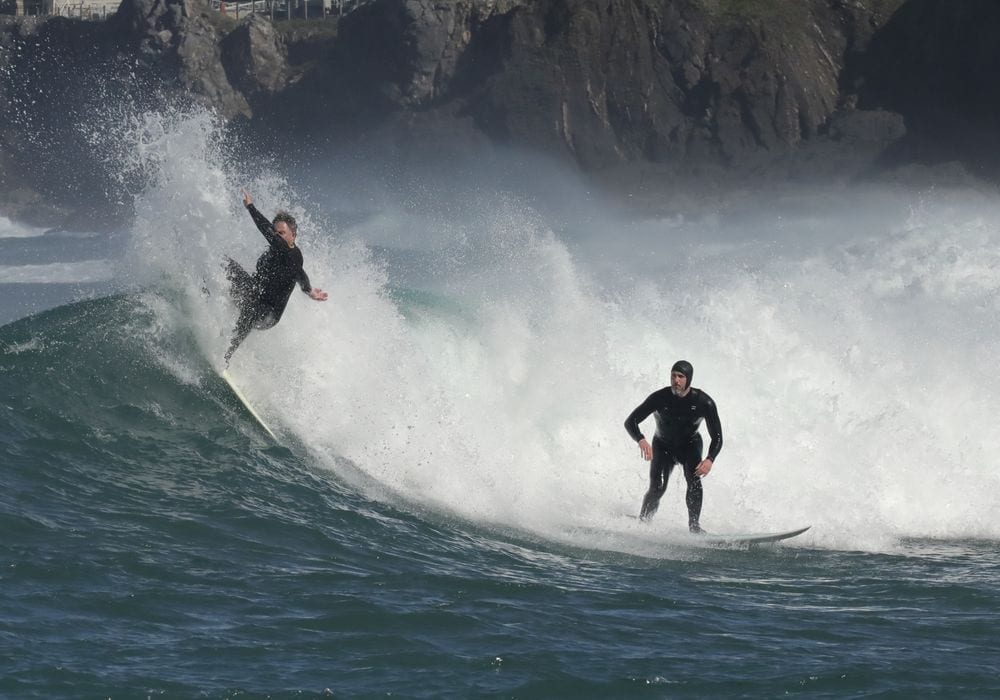
Before you get in the water the coach will ask you to describe your problem, then watch you surf for fifteen minutes without saying anything. Those two things rarely match. People usually diagnose themselves incorrectly — they think it is a turning problem when it is a positioning problem, or a fitness problem when it is a timing problem.
The most common actual problems
- Looking down. The board goes where the eyes go. An enormous number of intermediate faults trace back to this one.
- Too far back on the board. Feels safe, kills all your speed, makes the drop late.
- Popping up too slowly. Not a strength problem — usually a decision problem. You are waiting to see if the wave will work.
- Sitting in the wrong place. Ninety percent of wave-catching is where you sit. Very little of it is how hard you paddle.
Video, again
Every private session is filmed. You get the clips afterwards, cut down to the useful parts with a short voice note over the top. Several regulars have told us they watch these before every trip.
Where we go
Bolinas is our home break and it suits most sessions. But if the swell direction means somewhere else is better for what you are working on, we will drive. The coach decides that in the morning based on the forecast and tells you where to meet.
Two people, one coach
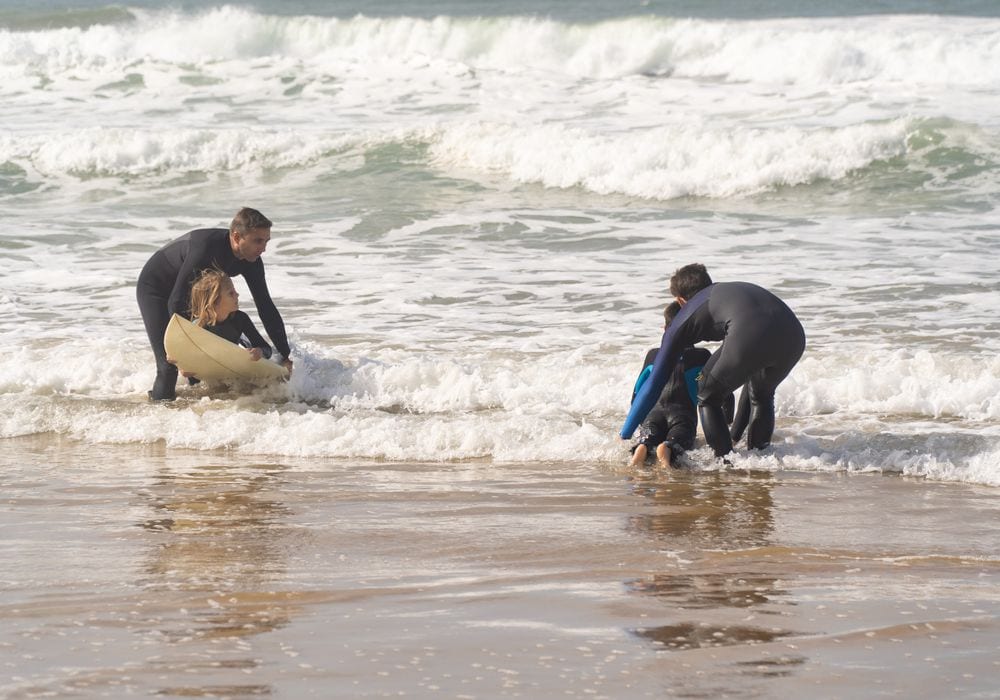
We will take two surfers in a private session if you are at a similar level and want to split the cost. It works well for couples and friends. Three is too many — at that point book a group session.
How many do you need?
Usually three, spread over a few weeks with your own practice in between. One session shows you the problem, the second confirms you can fix it under pressure, the third makes it permanent. Booking six at once is generally a waste of money and we will tell you so.